How Your Dentist Uses Sedation Dentistry in Procedures
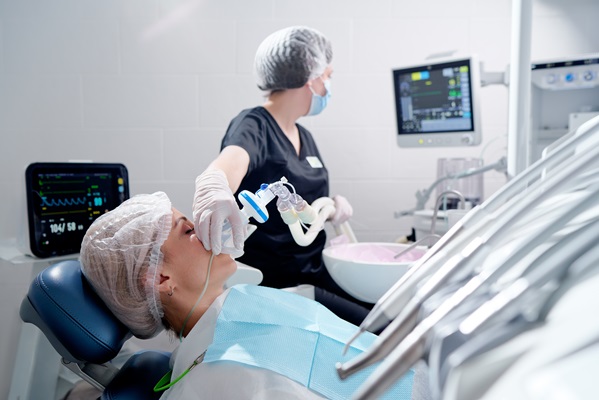
Many people choose sedation dentistry to make dental procedures easier. Dental patients expect pain or suffer from a dental appointment. That is why dentists recommend sedation. Patients end up happy with their dental work because of this technique. If you want to learn about the ways your dentist uses sedation dentistry, here are the details.
For making procedures easy
Some patients seek sedation for their strong gag reflex and high tooth sensitivity. These issues often delay the procedure. The dentist must stop each time the patient twitches, jolts, or feels scared. The patient must calm down first before the dentist continues with the procedure.
The dentist uses sedation dentistry to make the procedure easier for the patient. This method also makes the procedure faster. The anesthetic relaxes the patient enough to allow the dentist to finish the treatment or treatments on time. This also allows the patient to go home earlier than expected with more time to rest.
For reducing anxiety and fear in the patient
Sedation dentistry helps patients with severe fear of the dentist. This may have started at a young age. The patient often carries this fear until adulthood. Telling the dentist about this crippling fear before the procedure helps. That way, the dentist can prepare for sedation dentistry. The dentist and staff will make the treatment room as relaxing as possible.
Fear of the dentist can be debilitating. Children cry or scream. Adults have mental and emotional difficulty in dealing with the situation. Some patients show signs of shaking, fainting, or high blood pressure. Difficulty of breathing and high heart rate are also some manifestations of debilitating fear. Sedatives help remove this experience from the patient during the dental treatment.
For providing comfort
Feeling comfortable at the dental clinic is the last thing anyone expects. Patients often see crying children and tense adults in the waiting room. The dentist can recommend sedation dentistry to the patient to be comfortable while waiting. This can prepare the patient for the procedure. Sedation is also a form of a break if the patient had a busy lifestyle.
For fewer dental appointments
The dentist considers the patient’s schedule and needs for dental treatments. Using sedation dentistry, the dentist can perform the procedures in fewer appointments. This helps the patient get the procedures without taking too much time off from school or work. Sedation also helps cut down the costs of going to the dental clinic. The procedure or procedures may take hours. Sedation can keep the patient calm or even asleep during these hours.
For treating patients with special needs
Dentists also use sedation in treating patients with sensory processing disorders. These patients tend to be hypersensitive. They get too uncomfortable in the dental clinic. Sedation helps calm them down and make them feel comfortable before, during, and after the procedure.
Dentists use sedation dentistry according to the needs of the patient
Sedation helps patients perform dental procedures with more efficiency. The patient becomes calm and receptive to even extensive treatments. Dentists can use different forms of sedation dentistry, depending on the condition and preference of the patient. An appointment with your dentist can help determine what type of sedation dentistry fits your needs.
Are you considering experiencing sedation dentistry in the Sylmar area? Get more information at https://www.twinpalmsdental.com.
Check out what others are saying about our dental services on Yelp: Sedation Dentist in Sylmar, CA.
Recent Posts
Searching for a dentist near me often begins with convenience, but the range of services offered should be a top priority. A comprehensive dental practice not only addresses routine care but also provides advanced treatments to support long-term oral health. From preventive visits to restorative and cosmetic procedures, having access to the right services under…
A smile makeover can help teenagers feel more confident when cosmetic imperfections affect the way they smile. The teenage years are hard enough, bringing school photos, sports, social events, and milestones that make smile confidence feel particularly important. With an age-appropriate treatment plan, cosmetic improvements can look natural and protect the developing smile.Teenagers naturally become…
Gaps in a smile can make everyday tasks like eating or talking uncomfortable. Fortunately, dental bridges remain a reliable dental restoration to replace missing teeth and restore your everyday chewing function. This guide provides the information you need about the four types of dental bridges and helps you choose the right option for your unique…
A dental implant is a dependable way to replace a missing tooth. While some implants may loosen or fail under certain conditions, most implants work well for many years when the gums and bone remain healthy. The key is to recognize the warning signs of trouble early and to support this smile restoration with excellent…